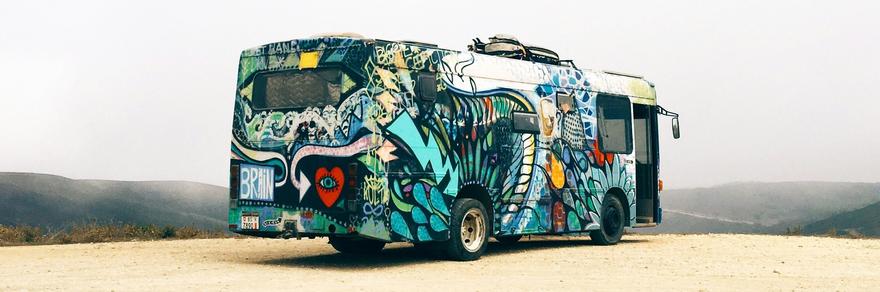
Planning a Spring 2027 tour? Here's how to book smarter, travel efficiently, stay on budget, and make the most of every performance.
Spring may seem far away, but if you're an independent musician thinking about hitting the road in 2027, NOW is the time to start planning!
Whether you're a solo singer-songwriter playing intimate coffeehouses, a rock band booking clubs across the country, or an independent artist planning your first regional tour, a successful tour requires more than a great setlist and a reliable vehicle. For DIY musicians, touring means wearing a lot of hats. You're not just the performer. You're often your own booking agent, promoter, accountant, merchandise manager, and travel coordinator.
But don't let that discourage you! With some advance planning, a realistic budget, and a little help along the way, you can create a touring experience that builds your audience, strengthens your music career, and hopefully puts some money in your pocket.
Here are ten tips to get you started.
1. Start Planning Your Tour Early
One of the biggest mistakes independent musicians make is waiting too long to book their performances. Many venues schedule their entertainment calendars months in advance, particularly for desirable Friday and Saturday night slots.
Ideally, start researching and contacting venues approximately 3–6 months before your proposed tour dates, or even earlier for popular festivals and larger venues. For Spring 2027, that means October and November 2026 are great months to get organized and begin reaching out.
Start by determining:
Your preferred tour dates and how long you can be on the road.
The cities or regions you'd like to visit.
Whether you're planning a weekend run, regional tour, or extended multi-state tour.
Your overall financial and professional goals.
Whether you'll be traveling alone, with a band, or with additional crew members.
Remember, you don't need to book a nationwide tour to make progress. Sometimes a well-planned three-city weekend tour can be more productive and profitable than an ambitious two-week adventure.
2. Choose Your Markets Strategically
It might be tempting to book shows in every city you've ever dreamed of visiting, but successful touring starts with knowing where your potential audience lives. Look at your streaming analytics, social media followers, email subscribers, and previous concert attendance. Are people listening to your music in certain cities? Do you have friends, fans, or fellow musicians in particular areas? Have you performed somewhere before and received a great response?
These are excellent places to begin. Also consider connecting with local musicians who perform similar styles of music. Sharing a bill with an established local act can help introduce your music to new audiences.
DIY Musician Tip: Don't overlook smaller cities and college towns. A welcoming local music community and an appropriately sized venue can be more valuable than playing to an almost-empty room in a major metropolitan area.
3. Plan an Efficient Tour Route
Here's where a little planning can save you a LOT of time, money, and frustration.
Imagine booking performances in Chicago, Nashville, Minneapolis, and Indianapolis without considering the order of those stops. You could spend far more time and money driving than necessary!
Instead, identify a few important or "anchor" performances and build a sensible geographic route between them.
Consider:
Driving distances between cities.
Fuel costs and vehicle expenses.
Hotel availability and locations.
Load-in and soundcheck schedules.
Rest days and potential travel delays.
Seasonal weather conditions.
The number of people and amount of equipment traveling.
You should also avoid scheduling an exhausting overnight drive immediately before an important performance whenever possible.
Need help figuring out the best route?
Merry Knell DIY Music Academy has partnered with Cyberpunk Travel to help independent musicians organize the travel side of touring. Cyberpunk Travel can assist with researching potential tour routes, comparing transportation options, identifying convenient overnight stops, and organizing multi-city itineraries.
Learn More About Musician Tour & Travel Planning
4. Create a Realistic Tour Budget

A tour isn't necessarily profitable just because you're getting paid to perform. Before hitting the road, make a detailed budget that includes both expected income and anticipated expenses.
Potential tour expenses include:
Fuel, tolls, parking, and vehicle rentals.
Hotels or other accommodations.
Meals and daily living expenses.
Equipment transportation and maintenance.
Payment for accompanying musicians or crew.
Advertising and promotional materials.
Merchandise production costs.
Travel insurance and other applicable coverage.
An emergency or contingency fund.
Potential income sources include:
Performance guarantees.
Ticket or door revenue.
Merchandise sales.
Tips.
Sponsorships.
Other tour-related income opportunities.
Remember that merchandise revenue isn't all profit; you'll need to subtract production costs and any venue commissions. Calculate how much your tour needs to earn to cover its expenses. Then divide that amount by the number of performances to estimate the revenue needed per show.
For example, if your projected tour expenses are $2,000 and you have five performances booked, you'll need to generate an average of $400 per show to cover those expenses, assuming no other income or costs.
That information can help you determine which opportunities make financial sense. And don't forget to leave room in your budget for unexpected expenses!
5. Get Your Electronic Press Kit Ready
Before contacting venues, make sure your Electronic Press Kit (EPK) is up to date. Your EPK is essentially your professional resume as a performing artist.
A strong EPK should include:
A concise, engaging artist biography.
Professional promotional photographs.
Links to your music.
Live performance videos.
Previous performances and notable accomplishments.
Press coverage and reviews, if available.
Relevant audience and attendance information.
Your contact information.
When pitching venues, personalize your message. Explain why your music would be a good fit for their audience and offer a few possible dates. Keep your communication professional, concise, and easy for the talent buyer to review. And follow up politely if you don't hear back.
6. Understand Your Performance Agreements

Not every venue compensates musicians the same way. Some offer a guaranteed performance fee. Others pay a percentage of ticket sales, and some arrangements combine a guarantee with a percentage of revenue.
Before accepting a performance, make sure you understand the terms.
Discuss:
Your compensation and payment arrangements.
Ticket prices and how revenue is calculated.
Performance length and set times.
Sound equipment and production requirements.
Merchandise sales policies.
Cancellation terms.
Who is responsible for promoting the event.
Whenever possible, get your agreement in writing. Even a detailed email confirming the important terms is better than relying entirely on a verbal conversation.
7. Book Your Travel and Accommodations Carefully

Once your performance dates begin coming together, it's time to think about the logistics.
Where will you stay? Will you drive or fly? Do you need a rental vehicle? Will your instruments and equipment fit comfortably and safely?
For musicians, the least expensive hotel or flight isn't always the best option. A hotel located far from your venue could add transportation costs and valuable travel time. A flight with restrictive baggage policies could become expensive when you're transporting instruments or equipment.
Consider the entire trip rather than each reservation individually.
This is another area where Cyberpunk Travel can help!
Through Merry Knell's partnership, independent musicians can receive travel planning and booking assistance for:
Road tour route research and itinerary planning.
Flights and airline options.
Hotels and accommodations.
Rental vehicles and ground transportation.
Group travel for bands and ensembles.
Music festivals, conferences, and industry events.
Personal and business travel.
Whether you're planning a short regional tour or a more complicated multi-city journey, having assistance with the logistics can free up valuable time for rehearsals, promotion, and performing.
Explore Cyberpunk Travel Services for Musicians
Please note: Cyberpunk Travel provides travel planning and booking assistance, not performance booking, venue negotiations, or tour management.
8. Promote Every Performance—Not Just the Tour
Booking a show is only half the battle. Now you need people to attend!
A successful tour promotion strategy should include more than one social media announcement with a list of cities. Create promotional content for each individual performance.
Consider:
Announcing your tour dates on your website and social channels.
Creating individual event posts.
Sending announcements to your email subscribers by location.
Collaborating with local performers and venues on promotion.
Contacting local music publications, podcasts, and radio stations.
Sharing behind-the-scenes rehearsal and travel content.
Encouraging advance ticket purchases when available.
Promoting merchandise and music releases associated with the tour.
Start promoting shows several weeks in advance and increase your activity as the dates approach.
DIY Musician Tip: Use your tour to build relationships, not just sell tickets. Encourage new fans to join your email list, follow your music, and stay connected after the performance.
9. Prepare for Life on the Road

Touring can be exciting, but it can also be physically and mentally exhausting. Don't underestimate how much energy it takes to travel, unload equipment, perform, socialize, pack everything up, and repeat the process the next day.
Before departing, make sure you have:
A shared itinerary with all performance and travel details.
Venue contacts and emergency information.
Confirmed load-in, soundcheck, and performance times.
Backup copies of important documents.
Equipment inventories and necessary cables or accessories.
Appropriate identification and travel documentation.
A plan for vehicle breakdowns or travel disruptions.
Adequate time for meals, sleep, and recovery.
If you're traveling internationally, research the applicable entry and performance authorization requirements well in advance. Spring weather can also be unpredictable, so build some flexibility into your schedule. And please, take care of yourself and your fellow musicians. You can't give your best performance if you're completely exhausted!
10. Have a Plan for After the Tour
Your tour doesn't end when you play the last song. In fact, some of the most valuable career-building opportunities happen afterward. Follow up with venue owners, promoters, local artists, and new fans. Review which shows performed well financially and which markets generated the most enthusiasm.
Consider:
Which cities would you like to visit again?
Which venues would you want to work with in the future?
Did you stay within your budget?
Which promotional efforts produced results?
Did you gain new email subscribers, followers, or merchandise customers?
What would you do differently next time?
Documenting your experiences can help you make better decisions and create more successful tours in the future.
Need Help Building Your Independent Music Career?

Touring is only one part of running a music business. You may also be thinking about releasing new music, growing your audience, improving your promotional strategy, or developing a more sustainable career as an independent artist.
At Merry Knell DIY Music Academy, we offer personalized 1:1 Music Business Coaching to help independent musicians navigate the business side of making music. Whether you're just getting started or looking for new ways to grow your established music career, coaching sessions can help you clarify your goals, explore opportunities, develop marketing strategies, and create actionable plans.
You don't have to figure everything out on your own!
Learn More About 1:1 Music Business Coaching
Ready to Hit the Road in Spring 2027?

The best tours don't happen by accident. They happen through thoughtful planning, smart budgeting, effective promotion, and a willingness to learn from every experience. Whether you're planning your very first weekend tour or preparing for another season on the road, Merry Knell DIY Music Academy is here to help you develop the knowledge and skills to pursue your goals. And through our partnership with Cyberpunk Travel, you can also get help organizing the travel arrangements that bring your tour together.
You make the music. Let us help you plan the journey!
Explore Musician Tour & Travel Planning
Book a 1:1 Music Business Coaching Session
Learn Music. Write Songs. Share Your Masterpieces with the World.
Merry Knell DIY Music Academy — Helping independent musicians create, produce, and share their music with the world.

Comments